April 18, 2026
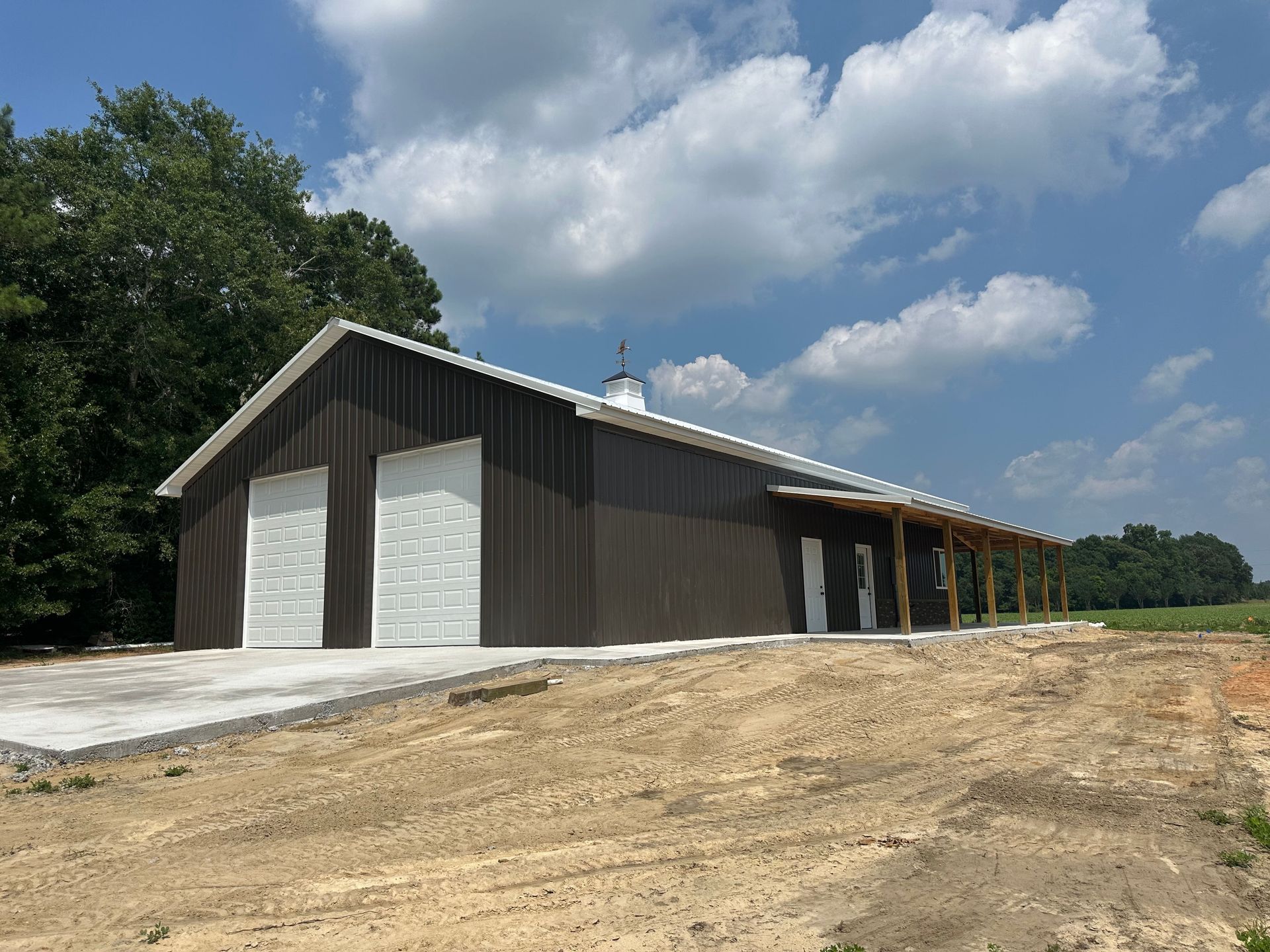
A barndominium is a unique type of building that blends the rustic charm of a traditional barn with the modern comforts of a residential home. These structures typically feature an open-concept interior, high ceilings, and large windows, making them spacious and adaptable for a variety of uses. Some homeowners use barndominiums purely as residences, while others incorporate workshops, garages, or office spaces under the same roof.
The exterior often maintains a barn-like appearance, using metal or wood siding, while the interior offers contemporary amenities like full kitchens, bathrooms, and comfortable living areas. This combination of functionality, versatility, and aesthetic appeal has made barndominiums increasingly popular across rural and suburban areas. These buildings can serve as homes, workshops, or mixed-use spaces, but one critical decision in their construction is the choice of building materials. While wood has long been a traditional option, steel has emerged as the superior choice for many homeowners and builders. Its durability, low maintenance, and environmental benefits make it the material of choice for modern barndominium construction.
Durability Against Natural Forces
One of the most significant advantages of steel over wood is its ability to resist natural forces. Wood can warp, crack, or rot when exposed to moisture, insects, or extreme weather, often requiring repairs or replacements. Steel, in contrast, remains stable under heavy rain, snow, and wind. Its strength ensures that the structural integrity of a barndominium remains intact over time, even in areas prone to harsh seasonal changes or extreme weather events.
Steel’s resilience also reduces maintenance costs and protects the home’s interior from damage caused by leaks or structural shifts. Homeowners who invest in steel framing for barndominium construction enjoy peace of mind knowing that the building is designed to withstand decades of environmental stress.
Fire Resistance and Safety
Fire safety is a critical factor in any construction project. Wood is naturally combustible, and while treatments can improve fire resistance, it still poses a greater risk than steel. Steel is non-combustible, reducing the likelihood of fire spreading through the structure. This inherent safety feature not only protects property and residents but can also result in lower insurance premiums for homeowners.
For barndominiums, which often feature open layouts and high ceilings, steel’s fire-resistant properties provide added protection, particularly in rural areas where response times from fire services may be longer. Choosing steel for barndominium construction ensures a safer, more resilient home.
Low Maintenance and Longevity
Steel’s durability translates directly into minimal maintenance requirements. Unlike wood, it is impervious to termites, mold, and decay, eliminating the need for frequent inspections or chemical treatments. Wood-framed buildings require regular sealing, painting, or fumigation to remain in good condition, while steel structures largely avoid these ongoing costs.
Steel also holds up better under heavy loads, making it ideal for the wide-open spaces common in barndominiums. Large spans and vaulted ceilings are more achievable without sagging or structural compromise, enhancing both functionality and longevity. Over time, homeowners save money and effort while enjoying a consistently sturdy structure.
Climate Adaptability
Wood is vulnerable to changes in humidity and temperature. In humid climates, it can swell or rot; in dry regions, it may shrink or crack. Steel maintains its strength and shape across a wide range of environmental conditions. This adaptability allows steel-framed barndominiums to thrive in varied climates without sacrificing structural integrity.
Whether dealing with fluctuating temperatures, heavy rainfall, or snow loads, steel provides a reliable framework that retains its performance year after year. This reliability contributes to the long-term value and durability of steel barndominium construction.
Cost Efficiency Over Time
While steel may have a higher upfront cost compared to wood, it often results in significant long-term savings. Fewer repairs, lower maintenance requirements, and extended longevity reduce overall expenditures. Steel also allows for more predictable life-cycle costs, as it is less prone to hidden damage from pests, moisture, or weather.
Additionally, steel is highly sustainable. According to Cognitive Market Research, recycling metals such as steel and aluminum consumes about 74% less energy than producing new metal, reducing greenhouse gas emissions by roughly 85% per ton processed. This means that choosing steel not only saves money over the life of the barndominium but also contributes to a smaller environmental footprint.
Energy Efficiency and Insulation
Steel’s thermal properties may seem like a disadvantage at first, as it conducts heat more readily than wood. However, modern barndominium construction often incorporates insulated steel panels, effectively managing temperature and reducing energy costs.
Proper insulation ensures a comfortable indoor environment, regardless of the season, while maintaining energy efficiency comparable to or better than traditional wood-framed structures. The precision of insulated steel components allows homeowners to optimize energy performance and reduce utility bills over time, reinforcing steel’s value in sustainable barndominium construction.
Resistance to Pests and Decay
Termites, carpenter ants, and fungal growth can compromise wooden barndominiums, sometimes leading to costly structural repairs. Steel is immune to these threats, eliminating the need for chemical pest control or frequent inspections.
Its resistance to decay and infestation ensures that the structural integrity of a barndominium remains intact for decades, providing homeowners with lasting peace of mind. By removing one of the most common sources of deterioration, steel allows barndominium owners to focus on enhancements and personalizations without worrying about hidden damage caused by pests or moisture.
Design Flexibility and Aesthetic Options
Steel provides greater flexibility in design compared to wood. Its strength allows for wide-open interior spaces, high ceilings, and creative architectural features without the need for load-bearing interior walls. Homeowners can achieve modern layouts and multifunctional spaces that may not be feasible with wood.
Steel also pairs well with other materials, such as wood siding, stone, or glass, offering diverse aesthetic possibilities. Modern coatings and paint finishes allow steel to mimic textures or colors, even producing a wood-like appearance while retaining all the benefits of steel framing. This versatility supports both functionality and visual appeal in barndominium construction.
Faster Construction Timelines
Steel components can often be prefabricated off-site, ensuring precise measurements and high-quality assembly. Prefabrication accelerates the construction timeline, reduces labor requirements, and minimizes on-site waste. Unlike wood, which may require more time-consuming framing adjustments, steel allows for faster, more efficient barndominium construction.
Reduced construction time benefits homeowners by decreasing labor costs and allowing quicker occupancy. Prefabricated steel also limits delays due to weather or material inconsistencies, ensuring projects stay on schedule and on budget.
Environmental and Sustainability Benefits
Beyond its longevity and durability, steel offers significant environmental advantages. Its recyclability reduces reliance on new raw materials and lowers the energy required for production. When compared with wood, which may contribute to deforestation and habitat disruption, the use of steel promotes responsible resource management.
The energy savings associated with recycled steel production are substantial. As noted, recycling steel uses significantly less energy than producing new material, while drastically cutting greenhouse gas emissions. This makes steel a sustainable choice for environmentally conscious homeowners seeking barndominium construction that aligns with green building practices.
Steel’s strength, durability, and versatility make it the superior material for modern barndominium construction. Its resistance to pests, decay, fire, and environmental stress ensures long-term performance, while its design flexibility and speed of construction meet the needs of contemporary homeowners. Coupled with sustainability advantages, steel represents both a practical and responsible choice.
For those investing in a barndominium, steel framing offers peace of mind, long-term savings, and a structure built to last. Ready to build a barndominium that combines modern style, strength, and sustainability? Contact K&G Metals Inc today to explore steel options that ensure your barndominium construction project stands the test of time.